Bridgeport's Revitalization - Who's it Benefitting?
- Agustina Aranda
- Oct 5, 2021
- 3 min read

Updated: Feb 6, 2022
The previously hypothetical gentrification of Bridgeport is becoming real.
Edited by: Dylan Sichel

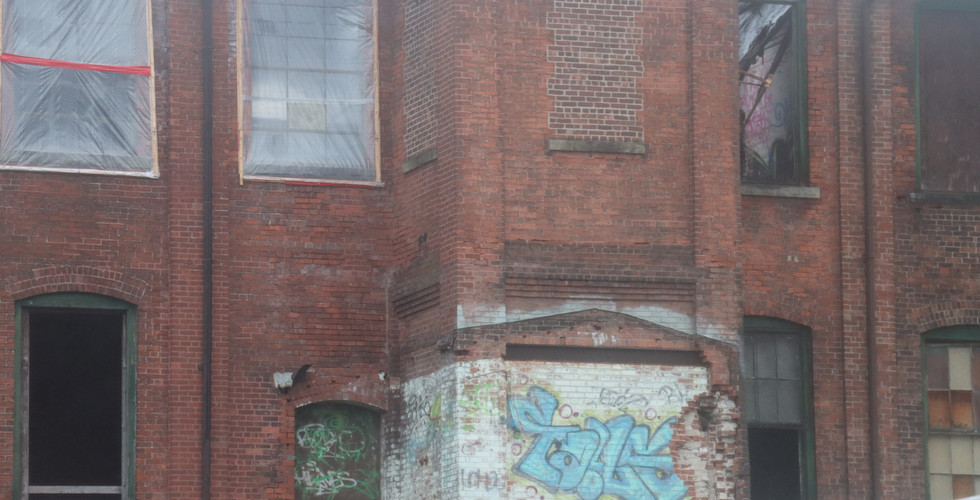
Decaying bricks, broken windows, and boarded doors…this is my view everyday as I ride the train through Bridgeport to get to school. The many run down, abandoned buildings that litter my hometown are the perfect representation of its rich history.
Connecticut has a huge economic divide, and Bridgeport visibly bears the effects of this wealthy inequality. But the rich people of CT use this as an excuse to make fun of it, rather than admitting the city needs help (and doesn’t have the right resources/ people in power to do so). Ultimately, any Bridgeport slander reads to me like thinly veiled racism-- and classism.
Brief History
Bridgeport’s reputation as the ghetto stain of Connecticut makes people overlook its past life as an economic hot-spot. The city’s proximity to the water, and shared border with states like New York and Pennsylvania attracted businesses from all over. But the end of the Industrial Revolution left factories run down and hundreds of workers without jobs.
And now it has a dramatically higher than average percentage of residents below the poverty line when compared to the rest of the state. Despite being Connecticut’s largest city, Bridgeport’s poverty rate continues to rise.
The “New Start”
When I first heard about Bridgeport's Cherry Street Revitalization project, I was honestly thrilled. More housing, new look, fixing up the neighborhood. It sounds great on paper. I thought maybe it would mean proper funding and resources for Bridgeport, FINALLY. But then I saw their plans to renovate an old factory on the West End. . .and the words “high-end apartments”. . . and my hope faded.
“High-end” doesn’t sound like something the average Bridgeport resident can afford. It sounds like an attempt to phase out the locals, typically low income, POC, working class families. So do the many other changes I’ve witnessed recently: the skatepark being paved over, new and fancy businesses/restaurants moving into downtown, etc. The previously hypothetical gentrification of Bridgeport is becoming real.
On my Walk
Sitting between a brand new loft apartment complex and a charter school is the abandoned factory (soon to be “high-end” apartment building). Right in front of all these buildings is the train tracks. I see this everyday on my commute, so why am I only just noticing how much has changed? It looked like the construction on the factory was the last step to the revitalization project, but it probably won’t be the last phase of the gentrification of Bridgeport. It’s only just beginning.
When I was walking around the perimeter of the factory taking pictures, I saw residents of the apartment building next door were walking in and out. They were all young Black and Hispanic people. Some looked like students. In my notes, I wrote, “they look like Bridgeport”.
I started reevaluating my initial reaction.



Final Thoughts
Of course I think Bridgeport deserves to be renovated, the people who live here deserve to be acknowledged and cared for. But I’ve lived here all my life. I’ve experienced local government ignoring the community’s needs, I hear what other Connecticut towns say about us, and I know that Bridgeport is one of Connecticut’s towns most impacted by poverty.
The sudden interest in giving Bridgeport a “new look” made me nervous. This apartment building hasn’t even started construction yet, so only time will tell who this new construction is truly benefitting. I know I judged it too quickly, but can you blame me?


Comments